
You have a stainless steel bar part. The surface is dull from machining. You need it to look like brushed or mirror finish for your product. How do you polish it?
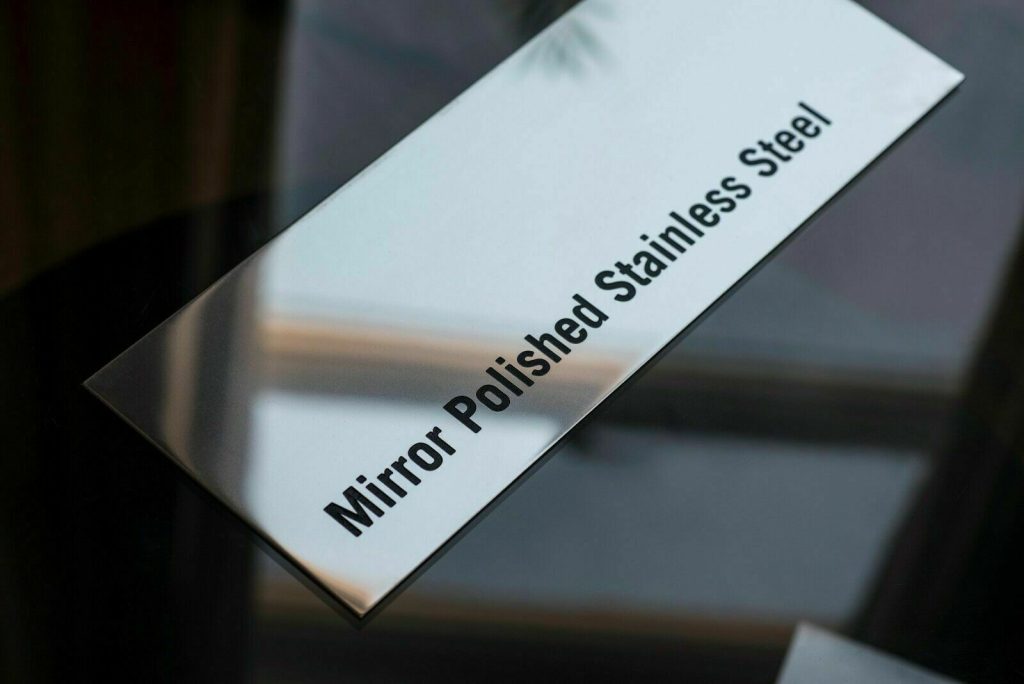
The best method to polish stainless steel bar is mechanical polishing using abrasive belts or wheels, progressing from coarse to fine grits (80 → 120 → 180 → 240 → 320 → 400). A typical belt‑grit progression and surface finish mapping for stainless steel is outlined in belt‑grit vs roughness guides. For brushed finish (No.4), stop at 120–180 grit; this matches the 120–180‑grit range used for No.4 satin/brushed finishes on stainless sheet, as described in metal‑finish references and stainless‑steel‑finish guides. For mirror finish (No.8), continue to 600–800 grit and use polishing compounds; this multi‑step progression toward No.8 mirror polish is detailed in mirror‑finish polishing guides. For bars, a centerless polishing machine can polish long lengths efficiently; centerless machines for pipes, tubes, and bars are described in polishing‑machine product pages.
](https://cnsssheet.com/wp-content/uploads/2025/04/stainless-steel-bar-14.webp)
I have supplied stainless steel bars that required various finishes. A handrail fabricator needed No.4 brushed finish. A medical device manufacturer needed mirror finish. Let me walk you through the polishing and finishing methods, which follow the gradual‑grit‑progression and abrasive‑selection practices outlined in stainless‑steel polishing and abrasive guides and abrasive‑belt selection references.
What is the best method of polishing stainless steel?
The best method for polishing stainless steel depends on the shape and desired finish. For bars, centerless polishing with abrasive belts is best for production, as described in centerless polishing‑machine and belt‑grit guides. For small parts, a bench grinder with buffing wheels works well; a beginner‑friendly polishing and buffing workflow is outlined in stainless‑steel buffing and polishing guides. For mirror finish, use a multi‑step process from coarse to fine abrasives, then polishing compounds, as detailed in mirror‑polishing tutorials.
For a brushed finish (No.4), use 120–180 grit abrasive belts; this grit range for No.4 satin/brushed finish on stainless is confirmed by metal‑finish suppliers such as Online Metals and Polished Metals. For a mirror finish (No.8), progress to 600–800 grit, then use polishing compounds (green or white rouge); achieving No.8 mirror finish with over‑600‑grit abrasives and color‑buffing compounds is explained in No.8‑finish polishing references and polishing‑compound guides. Always polish in the direction of the existing grain and keep the surface cool to avoid discoloration, as recommended in DIY stainless‑steel‑polishing tips.
](https://cnsssheet.com/wp-content/uploads/2025/04/stainless-steel-bar-2.webp)
Polishing Methods Comparison
Let me compare different polishing methods for stainless steel bars.
Centerless Polishing (Production)
| Property | Description |
|---|---|
| Best for | Long bars, high volume; commonly used for precision stainless bars and tubes on centerless polishing lines, as described in centerless polishing guides |
| Speed | Fast |
| Finish consistency | Excellent |
| Equipment cost | High |
| Best for | No.4 brushed, No.8 mirror; achievable via multi‑stage belt‑grit finishes, as noted in centerless grinding vs polishing references |
Manual Belt Polishing (Small Quantities)
| Property | Description |
|---|---|
| Best for | Short bars, small parts |
| Speed | Slow |
| Finish consistency | Operator dependent |
| Equipment cost | Low |
| Best for | No.4 brushed; this satin/brushed finish is typically achieved with 120–180 grit belts, as explained in No.4‑finish overview articles |
Buffing Wheel (Final Polishing)
| Property | Description |
|---|---|
| Best for | Mirror finish, small parts |
| Speed | Moderate |
| Finish consistency | Good |
| Equipment cost | Low |
| Best for | No.8 mirror; mirror‑like finishes are typically achieved with final buffing and polishing compounds, as described in mirror‑finish guides and No.8‑finish explanations |
Polishing Steps for Mirror Finish
| Step | Abrasive Grit | Tool | Result |
|---|---|---|---|
| 1 | 80 | Belt sander | Remove deep scratches |
| 2 | 120 | Belt sander | Smooth surface |
| 3 | 240 | Belt sander | Fine scratches |
| 4 | 400 | Belt sander | Very fine scratches |
| 5 | 600 | Belt sander | Near mirror |
| 6 | 800 | Belt sander | Almost mirror |
| 7 | Green rouge | Buffing wheel | Full mirror; mirror‑finish buffing with green rouge or similar compounds is described in mirror‑polishing guides |
My Experience
For a handrail bar, we used centerless polishing with 120‑grit belts for No.4 finish, consistent with recommendations for brushed finishes in No.4‑finish references. For a medical device bar, we progressed to 600‑grit and buffing for mirror finish, following the multi‑stage‑grit and buffing‑compound approach outlined in mirror‑polishing tutorials.
What is the difference between 304 2B and 304 4 finish?
304 2B is a smooth, bright, cold rolled finish with no visible grain (other than rolling direction). 304 No.4 is a brushed, satin finish with visible grain lines produced by polishing 2B sheet with 120–180 grit abrasives; these differences are clearly explained in 2B vs No.4 finish comparison guides and 2B vs No.4 explainer articles.
For bars, 2B finish is not typically offered. Bars are usually supplied in hot rolled, cold drawn, or polished condition. The finish designations 2B and No.4 are more common for sheets. For bars, the equivalent to No.4 is "brushed finish" or "satin finish," as described in stainless‑steel surface‑finish references and brushed‑finish overviews.
](https://cnsssheet.com/wp-content/uploads/2025/04/stainless-steel-bar-1.webp)
2B vs No.4 Comparison for Bars
Let me compare these finishes as they apply to sheet – which also relates to bar finishing. A clear explanation of 2B vs No.4 sheet finishes can be found in stainless‑steel‑finish guides and 2B vs No.4 comparison pages.
304 2B Finish (Sheet Reference)
| Property | Value |
|---|---|
| Appearance | Smooth, bright, reflective; this is the standard 2B mill finish for cold‑rolled sheets, as described in 2B‑finish explanations |
| Grain | Directional but not pronounced |
| Fingerprint hiding | Poor |
| Scratch hiding | Poor |
| Cost | Lower (base finish) |
304 No.4 Finish (Sheet Reference)
| Property | Value |
|---|---|
| Appearance | Brushed, satin, grain lines; No.4 is a directional brushed finish produced by polishing 2B with 120–180 grit belts, as noted in No.4‑finish overviews and 2B vs No.4 guides |
| Grain | Directional, uniform satin |
| Fingerprint hiding | Good |
| Scratch hiding | Good |
| Cost | Higher (polishing cost) |
Bar Finish Equivalents
| Sheet Finish | Bar Finish |
|---|---|
| 2B | Cold drawn (smooth) |
| No.4 | Brushed / satin polished; the bar‑equivalent brushed finish is outlined in stainless‑steel surface‑finish guides |
| No.8 | Mirror polished; mirror‑polished bars follow the same principles as No.8 mirror‑sheet finishes, as described in mirror‑finish references |
Which to Choose for Bar Applications
| Application | Recommended Bar Finish |
|---|---|
| Machine parts (non‑visible) | Cold drawn |
| Handrails | Brushed (No.4 equivalent); brushed‑finish handrails are commonly used for aesthetic and fingerprint‑ hiding performance, as noted in surface‑finish‑application guides |
| Decorative trim | Brushed or mirror |
| Medical instruments | Mirror |
My Experience
For a handrail bar, we ordered "brushed finish" which is equivalent to No.4 on sheet. The supplier centerless polished with 120‑grit belts, consistent with the 120–180‑grit range used for No.4 satin finishes on stainless sheet, as described in No.4‑finish overview articles.
What are the 5 methods of metal finishing?
The 5 common methods of metal finishing for stainless steel bars are: mechanical polishing (abrasive belts), grinding (rough removal), buffing (mirror finish), electropolishing (chemical/electrical smoothing), and pickling (acid cleaning). These methods are commonly described in general metal‑finishing and stainless‑steel‑surface‑treatment guides, such as stainless‑steel finish explanations and metal‑polishing overviews.
For stainless steel bars, mechanical polishing is the most common. Electropolishing produces a bright, ultra‑smooth, corrosion‑resistant surface used for medical and pharmaceutical applications; this electropolished finish is detailed in electropolishing and stainless‑steel‑corrosion‑resistance references. Pickling is used to remove scale from hot rolled bars, as explained in stainless‑steel pickling and cleaning guides. Buffing is used for final mirror finish, as described in mirror‑polishing and buffing‑wheel references.
](https://cnsssheet.com/wp-content/uploads/2025/04/stainless-steel-bar-.webp)
Metal Finishing Methods Explained
Let me explain each finishing method for stainless steel bars. A general overview of stainless‑steel finishing methods, including polishing, electropolishing, and pickling, can be found in stainless‑steel finish guides and metal‑finishing introductions.
1. Mechanical Polishing
| Property | Description |
|---|---|
| Process | Abrasive belts or wheels; this method is detailed in mechanical‑polishing and No.4‑finish guides and stainless‑steel surface‑finish references |
| Finish | Brushed (No.4) to mirror (No.8) |
| Best for | Handrails, decorative bars |
| Cost | Moderate |
2. Grinding
| Property | Description |
|---|---|
| Process | Coarse abrasives remove material |
| Finish | Rough, matte |
| Best for | Weld smoothing, surface preparation; common for stock‑removal prior to polishing, as described in stainless‑steel finishing tutorials |
3. Buffing
| Property | Description |
|---|---|
| Process | Soft cloth wheel + polishing compound; buffing for mirror finish is explained in stainless‑steel buffing and polishing guides |
| Finish | High‑gloss mirror |
| Best for | Final step for mirror finish |
4. Electropolishing
| Property | Description |
|---|---|
| Process | Electrochemical process removes micro‑burrs; the electropolishing process for stainless steel is described in electropolishing‑process references and electropolishing‑equipment guides |
| Finish | Bright, ultra‑smooth, passive; enhanced corrosion resistance and cleanability are covered in electropolishing‑benefits overviews |
| Best for | Medical, pharmaceutical, semiconductor |
| Cost | High |
5. Pickling (Chemical)
| Property | Description |
|---|---|
| Process | Acid bath removes scale and discoloration; this scale‑removal process is explained in pickling‑of‑stainless‑steel references and pickling‑FAQ pages |
| Finish | Matte, clean |
| Best for | Scale removal from hot rolled bars |
Method Selection Guide
| Desired Finish | Recommended Method |
|---|---|
| Satin (No.4) | Mechanical polishing (120–180 grit); No.4 satin finish production with 120–320 grit abrasives is described in No.4‑finish and abrasive guides |
| Mirror (No.8) | Mechanical polishing + buffing; mirror‑finish workflows are outlined in mirror‑polishing tutorials |
| Ultra‑smooth | Electropolishing; ultra‑smooth, electrochemically smoothed surfaces are covered in electropolishing‑stainless‑steel articles |
| Scale removal | Pickling; pickling for scale removal on stainless steel is explained in pickling‑for‑stainless‑steel guides |
My Experience
For a pharmaceutical bar, we used electropolishing to achieve the ultra‑smooth surface required for cleanability, consistent with electropolishing‑process descriptions in electropolishing‑stainless‑steel references and electropolishing‑benefits overviews.
What is 3 layer polishing?
3 layer polishing is a multi‑step polishing process that uses three progressively finer abrasives to achieve a smooth, bright finish. It typically involves coarse (80–120 grit), medium (180–240 grit), and fine (320–400 grit) polishing stages; this three‑stage abrasive sequence is commonly described in stainless‑steel polishing guides and multi‑stage polishing‑process overviews.
For stainless steel bars, 3 layer polishing is often used to achieve a uniform satin or near‑mirror finish without the time and cost of full mirror polishing. The result is a smooth, bright finish that is better than basic brushed but not as reflective as full mirror. It is commonly used for architectural and decorative bars, as noted in surface‑finishing‑and‑architecture‑finish references and stainless‑steel‑bar finishing guides.
](https://cnsssheet.com/wp-content/uploads/2025/03/stainless-steel-bar.jpg)
3 Layer Polishing Explained
Let me explain the 3 layer polishing process. A typical multi‑stage polishing workflow using coarse, medium, and fine grits is described in sanding and polishing grit‑number guides and stainless‑steel polishing tutorials.
Polishing Stages
| Layer | Grit | Result |
|---|---|---|
| 1 (Coarse) | 80–120 | Remove deep scratches, smooth surface; this coarse stage is commonly used to eliminate machining marks and deep defects, as outlined in grit‑stage references |
| 2 (Medium) | 180–240 | Fine scratches, satin appearance; the medium‑grit smoothing step is described in multi‑stage polishing guides |
| 3 (Fine) | 320–400 | Smooth, bright, near mirror; this fine‑polishing range is typical for high‑polish satin to near‑mirror finishes, as noted in surface‑finish and polishing‑sequence references |
What 3 Layer Polishing Achieves
| Property | Result |
|---|---|
| Surface roughness (Ra) | 0.1–0.2 microns; this very smooth range is comparable to high‑precision polished surfaces, as described in surface‑roughness‑Ra guides |
| Appearance | Smooth, bright, not fully reflective |
| Cost | Moderate |
| Time | Moderate |
| Best for | Architectural, decorative bars; stainless steel bars with aesthetic finishes are detailed in bar‑application overviews and architectural‑stainless‑steel guides |
Comparison with Full Mirror Polishing
| Feature | 3 Layer | Full Mirror |
|---|---|---|
| Number of steps | 3 | 7+ |
| Grit range | 80–400 | 80–800+ buffing |
| Reflectivity | Moderate | Very high |
| Time | 1–2 hours per bar | 4–6 hours per bar |
| Cost | Lower | Higher |
Applications for 3 Layer Polished Bars
- Architectural handrails (satin finish)
- Door handles and pulls
- Furniture components
- Decorative trim
- Machine guards (aesthetic)
My Experience
For a door handle bar, we used 3 layer polishing (120, 240, 400 grit). The finish was smooth and bright but not a mirror. The customer was satisfied with the cost savings vs full mirror, which aligns with the typical time‑ and cost‑differences seen in multi‑stage polishing explanations and high‑polish‑finishing‑guides.
Conclusion
The best polishing method for stainless steel bars is mechanical polishing with abrasive belts (No.4 brushed) or centerless polishing for production, as described in fractory’s stainless steel finishes overview and centerless polishing references. No.4 has a brushed satin finish, which is explained in Polished Metals’ No.4 brushed stainless description. The 5 metal finishing methods include mechanical polishing, grinding, buffing, electropolishing, and pickling; these are overviewed in Empire Abrasives’ buff and polish guide and electropolishing plus pickling explanations. 3 layer polishing uses three progressive grits for a smooth, bright finish, consistent with the coarse-medium-fine grit-stage descriptions in multi-stage polishing tutorials.


](https://cnsssheet.com/wp-content/uploads/2025/04/stainless-steel-bar-6.webp)

